Why Ordinary Objects Become Extraordinary After Loss
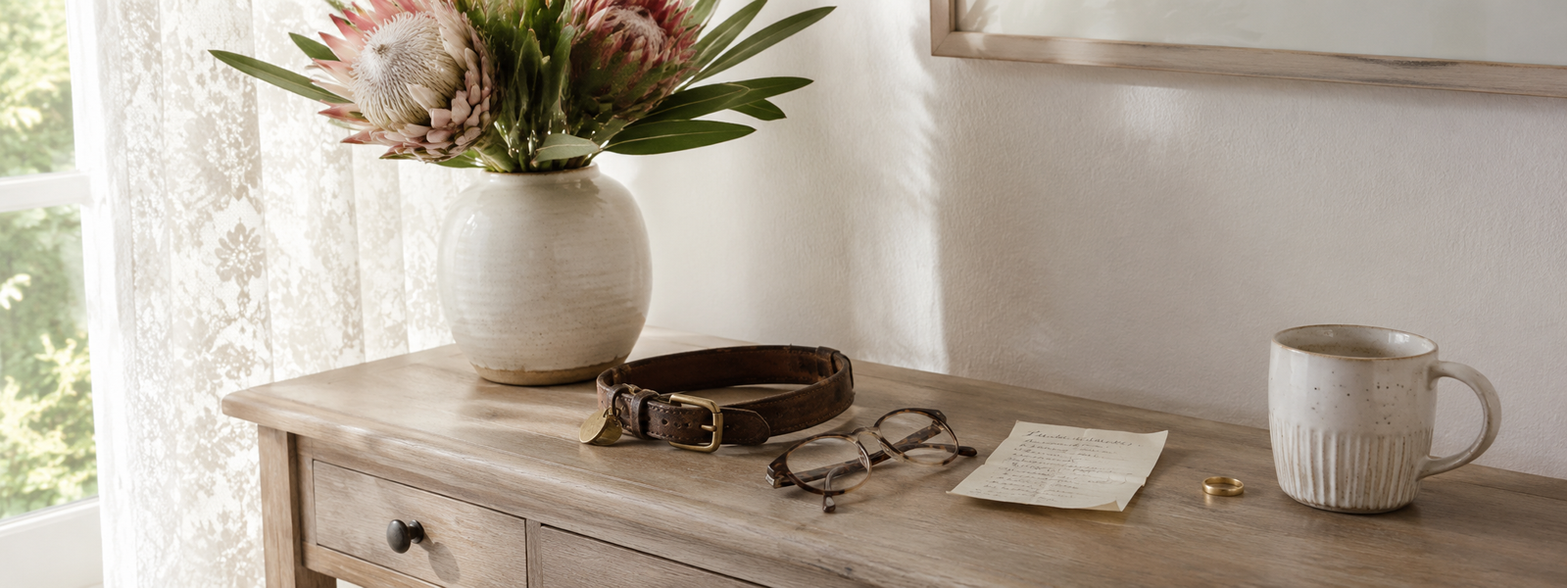
A shopping list.
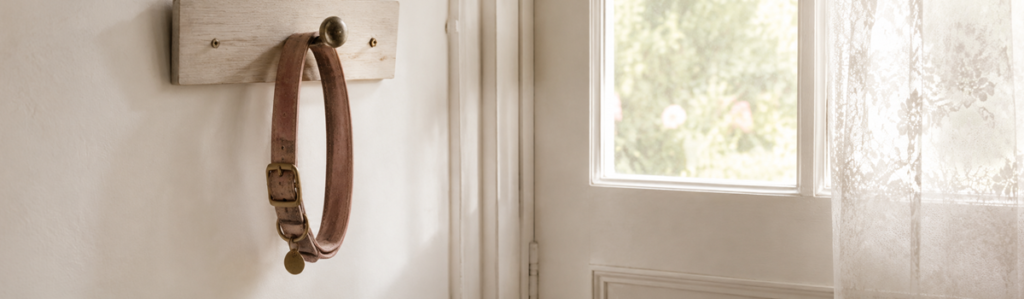
A dog collar.
A favourite coffee mug.
A voicemail you’ll never delete.
To anyone else, they’re just ordinary things.
To the people who love them, they’re priceless.
Most of us have something we simply can’t part with. Not because it’s valuable or useful, but because it reminds us of someone we love.
As it turns out, there’s a reason for that. Modern grief research shows that holding onto meaningful objects isn’t a sign that we’re unable to let go. It’s often a healthy and deeply human way of carrying love forward.
There Is A Reason We Hold On
For many years, psychologists believed that healthy grieving meant learning to “let go” and detach from the person who had died.
Today, grief research tells us something very different.
In 1996, bereavement researchers Dennis Klass, Phyllis Silverman and Steven Nickman challenged the long-held belief that healthy grieving meant “letting go” of the person who had died. Their work introduced the concept of continuing bonds, recognising that many people adapt to loss by finding new ways to maintain an ongoing connection with the person they love. That connection may be expressed through memories, family traditions, photographs, conversations, rituals, or meaningful personal belongings.
Rather than forgetting, many people learn to carry that relationship in a different way.
Why Certain Objects Matter
Researchers have found that personal belongings often play an important role in the grieving process. Rather than simply being possessions, they can help people maintain a sense of connection, preserve memories, and continue the story of someone who has died.
What makes these objects meaningful isn’t their financial value.
It’s the memories attached to them.
A favourite mug may remind us of countless conversations over coffee.
A handwritten recipe recalls family traditions.
A wedding ring represents years spent together.
A dog’s collar brings back everyday routines that once felt ordinary, but are now deeply missed.
The objects themselves don’t hold the memories.
They simply help us remember them.
We See This Every Day
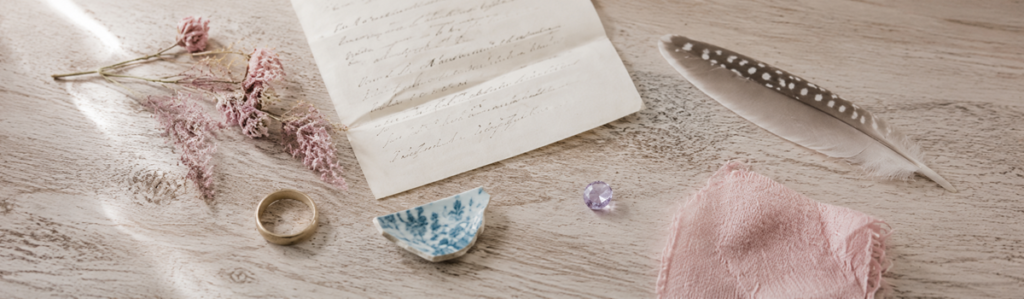
Over the years I’ve been entrusted with wedding rings, dog collars, pet blankets, Ming Dynasty porcelain, baby elephant tail hair, volcanic ash, first teeth, dried flowers, favourite shirts, owl feathers, handwritten notes and heirloom precious stones that have been carried through generations.
None of them are valuable because of what they’re made from.
They’re valuable because of the story they carry.
Every package that arrives at my studio contains more than the materials needed to create a keepsake.
It contains trust, memories, and a responsibility I never take lightly.
Why Keepsake Jewellery Matters
People sometimes ask why someone would want ashes, hair or fabric preserved inside a piece of jewellery.
For most people, it isn’t really about the jewellery itself. It’s about having a tangible reminder of someone they love.
What it can do is provide something tangible during moments when memories alone don’t feel enough.
For many people, that is enough.
Final Thoughts
The things we keep are rarely about the objects themselves.
They’re about the people, relationships and moments those objects represent.
Whether it’s a favourite coffee mug, a handwritten recipe, a wedding ring or a keepsake pendant, these reminders become part of our story.
Not because they keep us living in the past.
But because they help us remember a life that mattered.
It changes shape.
And sometimes… it becomes something we can hold in our hands.